
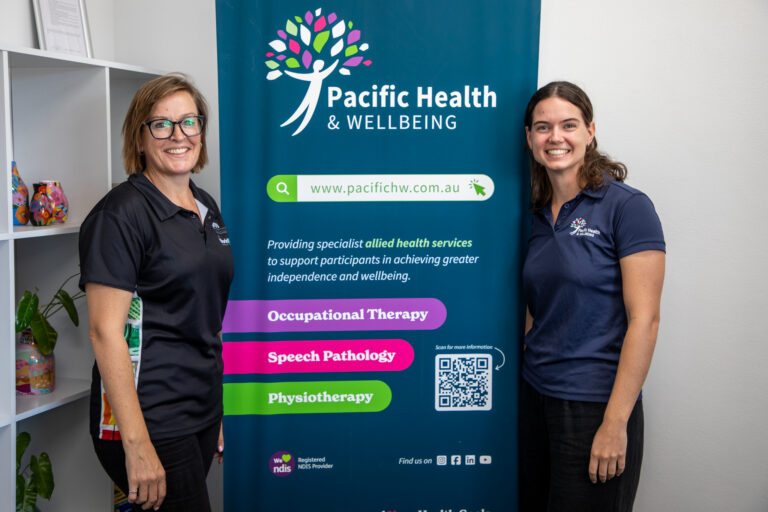
Supporting the growth of allied health in the NT
A new career, a new home and a whole lot of adventure. For Darwin speech pathologist Nicole, moving to the Northern Territory has been an…
Acknowledgement of Country
NT PHN acknowledges and pays respect to the Traditional Owners of the lands across Australia on which our members live and work, and to their Elders and ancestors, past and present.
Aboriginal and Torres Strait Islander people should be aware that this website may contain images, voices or names of deceased persons in photographs, film, audio recordings or printed material.

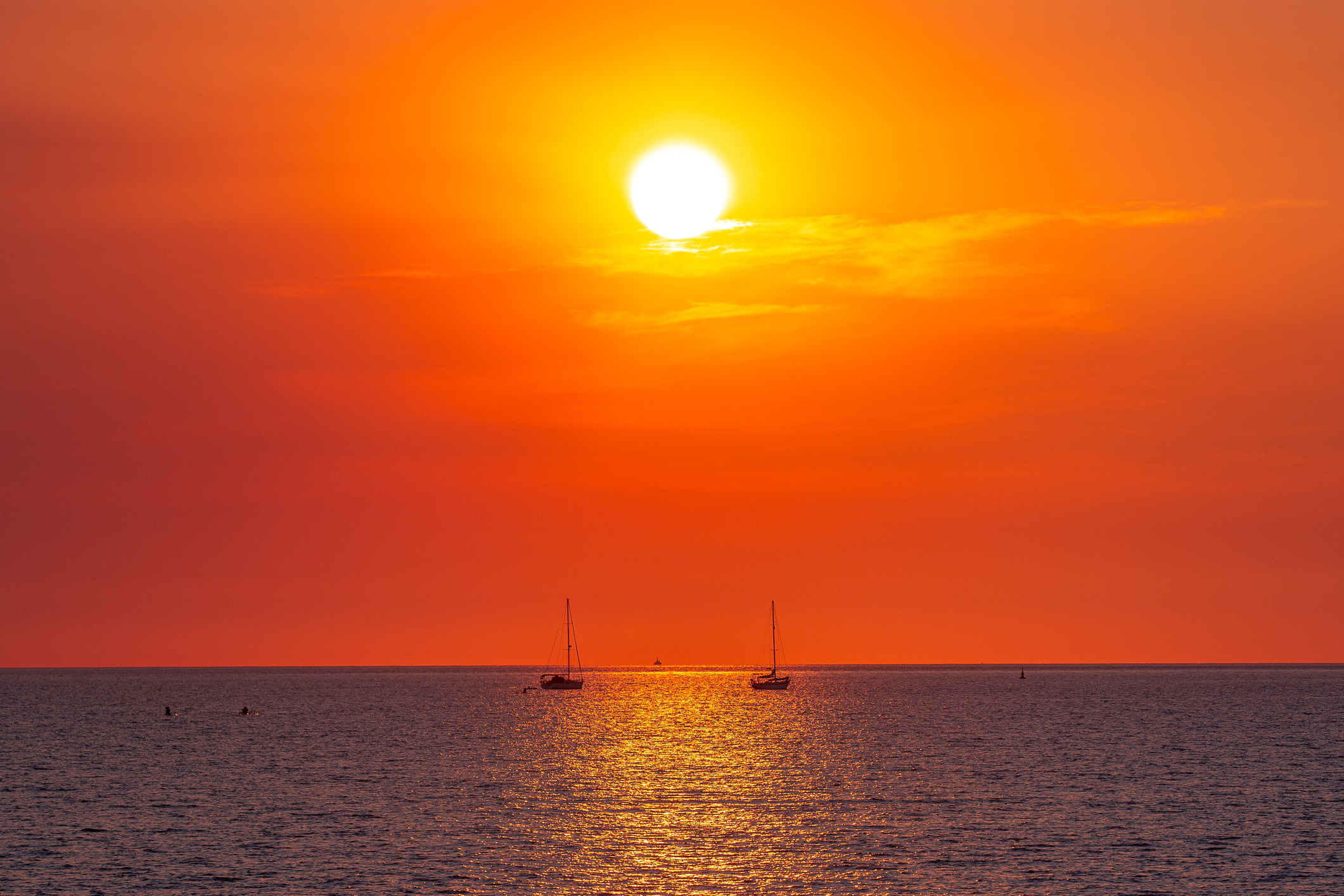

A health career in the Northern Territory is like no other in Australia. Here, your work can take you from modern urban clinics to remote communities, tropical regions, desert landscapes and some of the most unique health settings in the country.
Whether you are a GP, nurse, midwife, Aboriginal Health Practitioner, allied health professional or student, the NT offers the chance to grow your skills, broaden your experience and make a visible difference in the communities you serve.
 In the Territory, health professionals are often able to work to their full scope, build strong relationships with communities and gain experience across areas of health that may be less common in other parts of Australia.
From chronic disease, tropical health and Aboriginal and Torres Strait Islander health to mental health, maternal and child health, aged care, emergency care and remote primary care, working in the NT offers opportunities to broaden your skills.
For many people, working in the NT is more than a job. It is a chance to build a career with purpose, while experiencing a way of life that is adventurous, connected and community-focused.
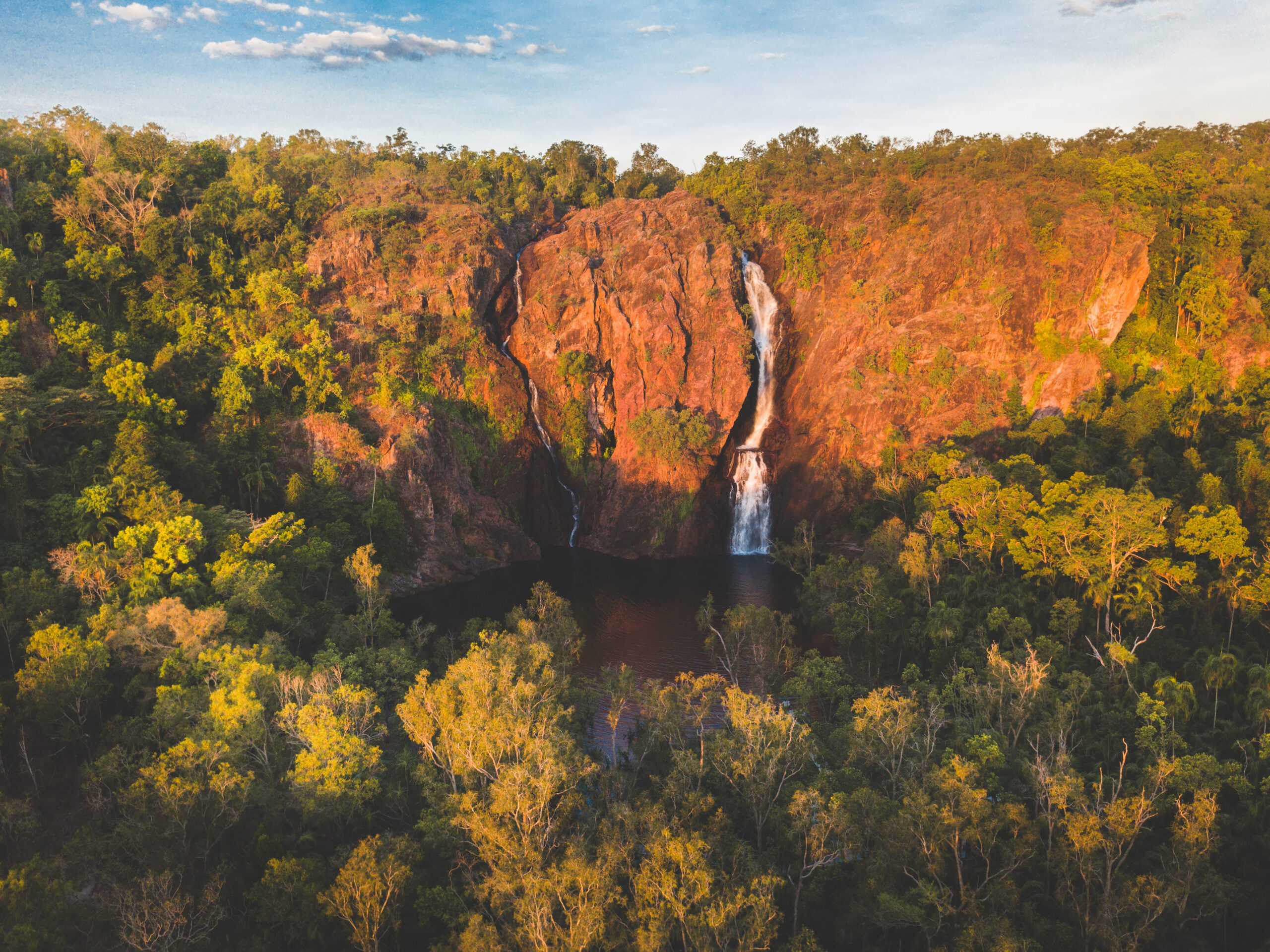
Life in the NT offers space, warmth, outdoor living and a strong sense of community. Depending on where you live, you could spend your weekends exploring waterfalls, national parks, beaches, hot springs, desert trails, fishing spots, local markets, cultural festivals and community events.
The Top End is a diverse region of the Northern Territory, with Darwin serving as its main service hub. It offers a mix of urban health services, Aboriginal Community-Controlled Health Organisations, private practices, hospitals and not-for-profit providers.
Working in the Top End offers diverse clinical experience across urban, regional and remote communities, alongside a relaxed tropical lifestyle. Enjoy coastal living, local markets, multicultural food, outdoor events and easy access to national parks, fishing spots and weekend adventures.
The Big Rivers region includes regional towns, remote communities and surrounding pastoral areas, with Katherine serving as its main service hub. Health professionals working in the region support diverse communities and help improve access to primary health care across a large geographic area.
The region offers varied clinical experience, strong community connections and access to natural attractions such as Nitmiluk Gorge, thermal springs, rivers and national parks. It is a place where your work can make a meaningful difference to local communities.
East Arnhem Land offers a unique opportunity to work in remote health settings alongside Aboriginal communities with strong culture, language and connection to Country.
Health professionals in this region can gain valuable experience in remote primary healthcare, prevention, chronic disease management and community-led care. The region is known for its coastline, art, culture and deep sense of place.
The Barkly region is one of the NT’s most distinctive remote regions, with Tennant Creek as its main centre. It offers opportunities to work across vast distances and support communities with diverse health needs.
Working in the Barkly can be professionally rewarding for those interested in remote practice, multidisciplinary care and building strong relationships in smaller communities.
Central Australia offers some of the most recognisable landscapes in the country, with Alice Springs as the main regional centre. Health professionals can work across urban, regional and remote settings, supporting communities across a large geographic area.
This region offers broad clinical experience, particularly in Aboriginal health, chronic disease, mental health, remote primary care and community-based services. Outside work, Central Australia offers desert landscapes, walking trails, arts, culture and national parks.
Working in remote communities requires preparation, respect and a willingness to learn from the people and places you serve.
Before heading to a remote placement, you can use tools such as BushTel to learn more about remote communities, including local languages, demographics and available health services.
You can also access maps of remote clinics and organisations to better understand where services are located and what to expect before you arrive.
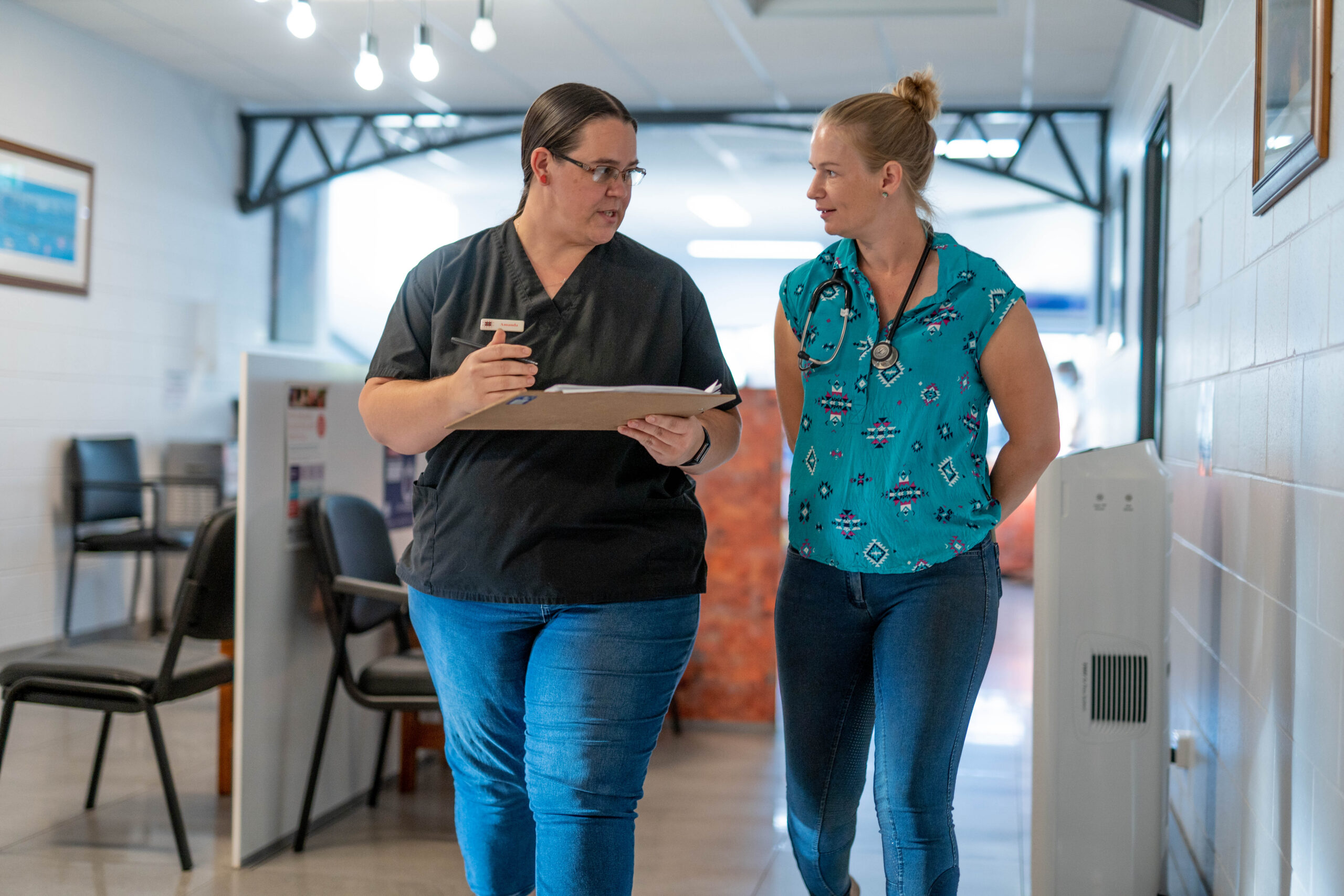
Health professionals in the NT play an important role in improving access to care and supporting better health outcomes across urban, regional and remote communities.
You may find yourself working more closely with communities, families and local organisations than you would in larger health systems. This can make the work more personal, practical and rewarding.
Short-term placements and locum roles can also be a good way to experience Territory life before making a longer-term move.
A new career, a new home and a whole lot of adventure. For Darwin speech pathologist Nicole, moving to the Northern Territory has been an…
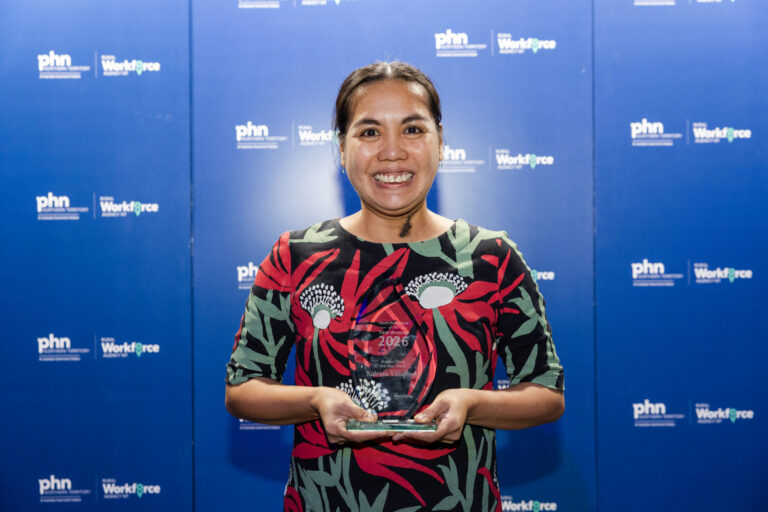
Katrina traded the tropical islands of the Philippines for the red dirt and remote beaches of Arnhem Land. Her move came after her partner accepted…
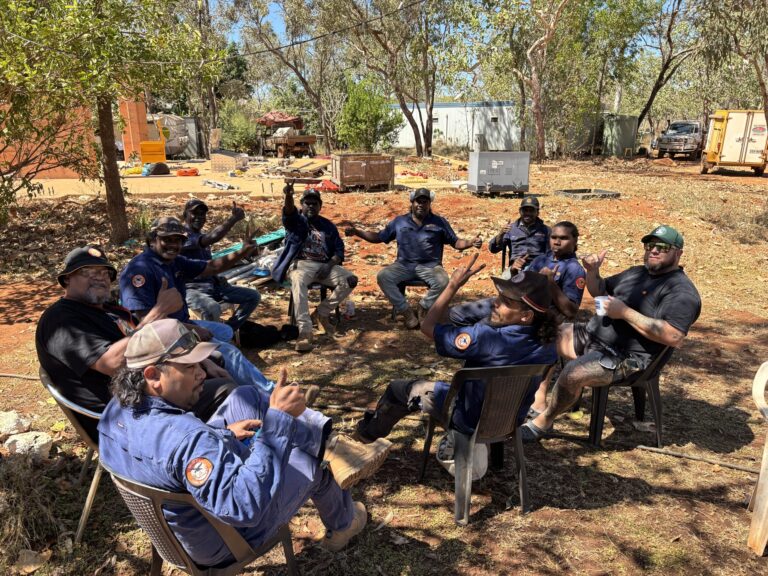
Culture, Country and community leadership are helping shape a different approach to suicide prevention and wellbeing in Central Arnhem through the Happy Yarning initiative. Led…
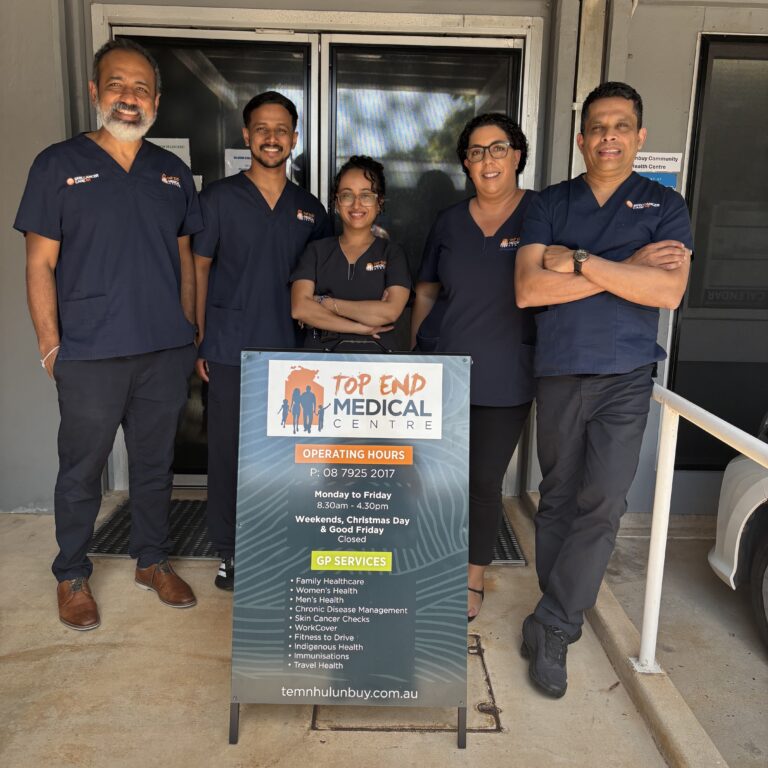
The Nhulunbuy community will soon have access to a new primary healthcare provider, with Top End Medical Centre selected to deliver ongoing general practice (GP)…