
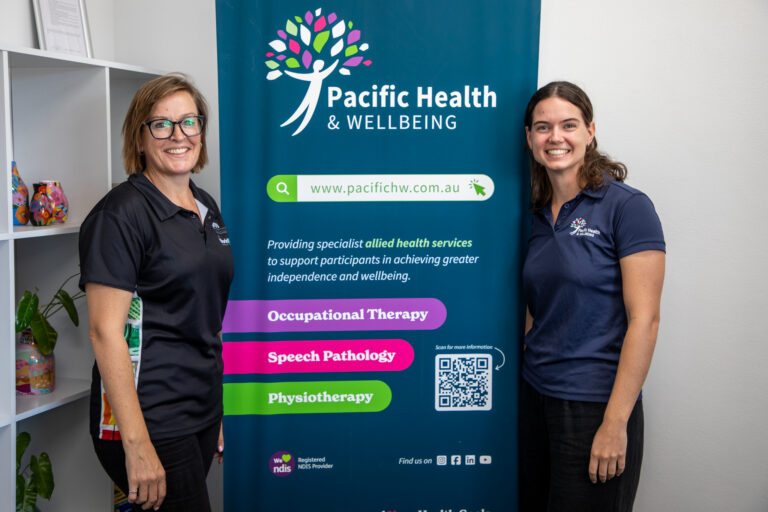
Supporting the growth of allied health in the NT
A new career, a new home and a whole lot of adventure. For Darwin speech pathologist Nicole, moving to the Northern Territory has been an…
Acknowledgement of Country
NT PHN acknowledges and pays respect to the Traditional Owners of the lands across Australia on which our members live and work, and to their Elders and ancestors, past and present.
Aboriginal and Torres Strait Islander people should be aware that this website may contain images, voices or names of deceased persons in photographs, film, audio recordings or printed material.

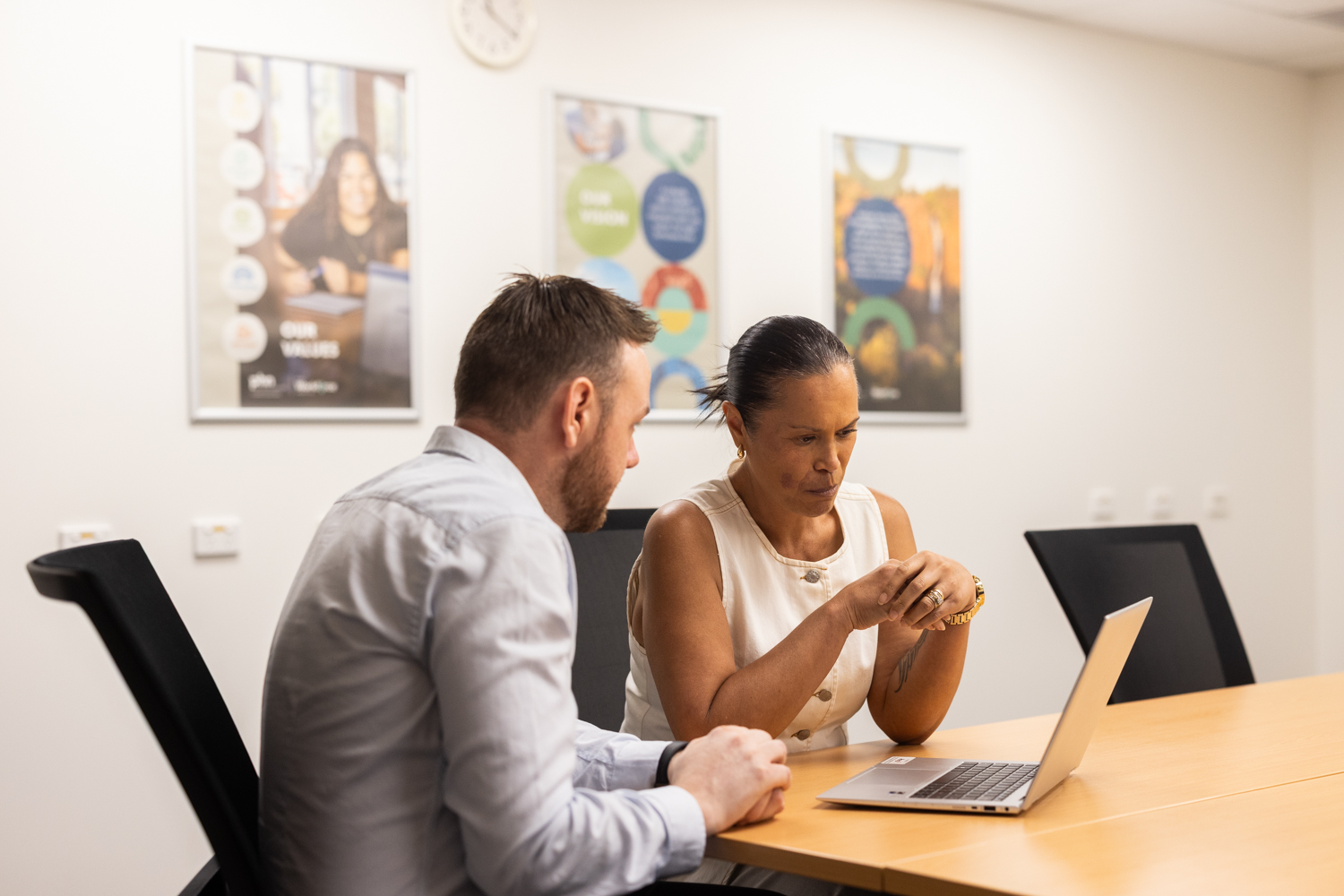

NT PHN commissions suicide prevention programs that are guided by:
Suicide prevention requires collective action. At NT PHN, we are committed to:
Support for people who have attempted suicide or experienced a suicidal crisis. Aftercare provides follow-up contact, safety planning, and connection to ongoing support to reduce the risk of repeat attempts.
Locally designed programs that build resilience, provide education, and strengthen protective factors, particularly in Aboriginal communities where cultural healing and connection are central.
Co-designed, delivered and evaluated suicide prevention activities that are locally relevant, culturally safe and community-led. The program builds community capacity to respond to distress, strengthen protective factors, and reduce suicide risk.
Programs led by people with lived experience of suicide, providing peer support and hope to others while informing service design and delivery.
Specialised support for families, friends, and communities who have been bereaved by suicide, helping reduce the risk of further harm and supporting healing.
Initiatives such as safeTALK, ASIST, and culturally adapted training programs to upskill community members, frontline workers, and service providers to recognise signs of distress and provide appropriate support
A new career, a new home and a whole lot of adventure. For Darwin speech pathologist Nicole, moving to the Northern Territory has been an…
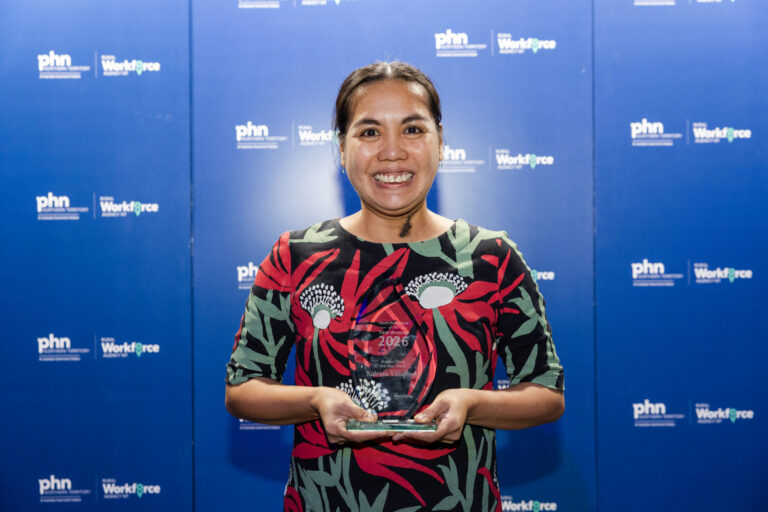
Katrina traded the tropical islands of the Philippines for the red dirt and remote beaches of Arnhem Land. Her move came after her partner accepted…
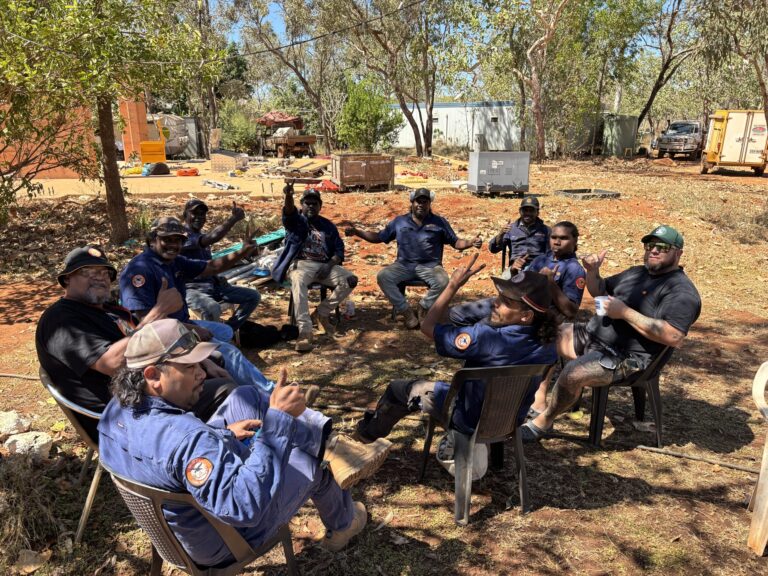
Culture, Country and community leadership are helping shape a different approach to suicide prevention and wellbeing in Central Arnhem through the Happy Yarning initiative. Led…
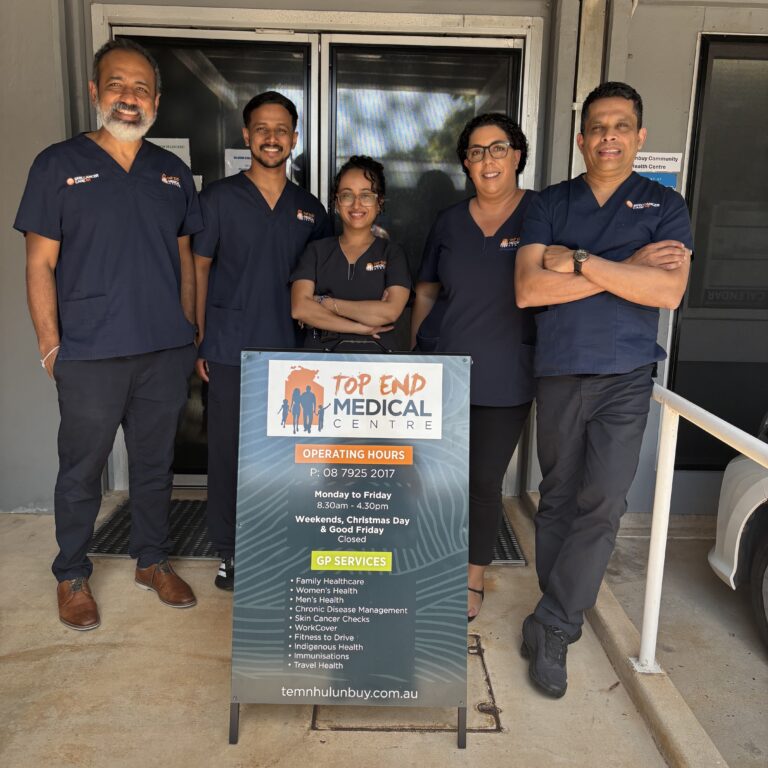
The Nhulunbuy community will soon have access to a new primary healthcare provider, with Top End Medical Centre selected to deliver ongoing general practice (GP)…