
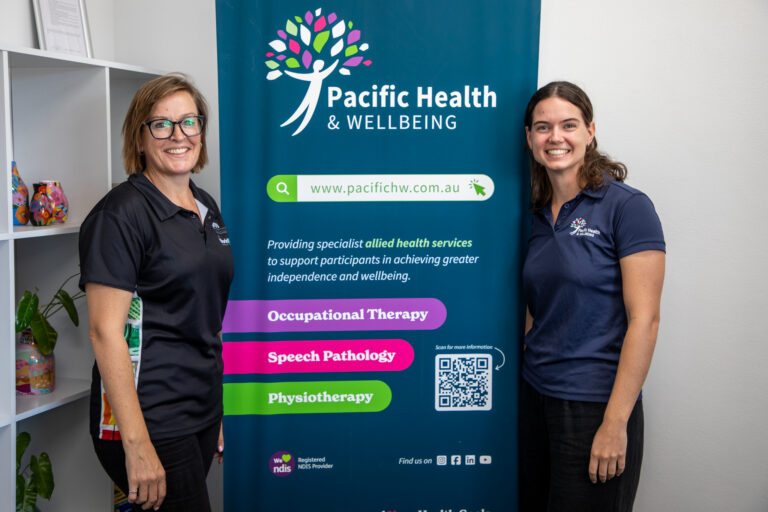
Supporting the growth of allied health in the NT
A new career, a new home and a whole lot of adventure. For Darwin speech pathologist Nicole, moving to the Northern Territory has been an…
Acknowledgement of Country
NT PHN acknowledges and pays respect to the Traditional Owners of the lands across Australia on which our members live and work, and to their Elders and ancestors, past and present.
Aboriginal and Torres Strait Islander people should be aware that this website may contain images, voices or names of deceased persons in photographs, film, audio recordings or printed material.


Designed for people with mild symptoms or those needing early intervention. These services provide practical, evidence-based tools to support wellbeing and prevent issues from escalating. Examples include brief interventions, digital resources, and structured self-management programs.
Medicare Mental Health Centres are commissioned by NT PHN with funding from the Australian Government. They are designed to be safe, welcoming spaces where people can talk to trained mental health professionals, access support, and connect with ongoing services in their community.
Medicare Mental Health Centres located in Darwin, Katherine and Alice Springs, are free, walk-in services that provide immediate support for people experiencing emotional distress or mental health challenges. No referral or appointment is needed, anyone can visit and receive help when they need it most.
The Medicare Mental Health Kids Hub, located in Alice Springs is for children who are 12 years and under, and provide family-centred mental health care.
Medicare Mental Health Centres play a vital role in:
NT PHN supports early and tailored mental health services for children and young people across the Northern Territory. These commissioned programs focus on early intervention, counselling, school-based wellbeing initiatives, and culturally responsive youth engagement activities that strengthen resilience, emotional wellbeing, and healthy coping strategies.
With upcoming changes to the flexible mental health funding streams, these services will continue to prioritise children and youth who may otherwise face barriers to accessing timely, appropriate support — ensuring early help, local connection, and continuity of care across the spectrum of need.
For people experiencing mild to moderate mental health concerns, NT PHN commissions short-term, evidence based therapies delivered by GPs, psychologists, and allied health professionals. These services provide structured, goal focused therapy sessions and are accessible in both urban and remote settings.
These services provide focused, time-limited support for people experiencing situational distress or acute episodes of poor mental health. Short-term therapies are designed to address immediate needs and connect people to ongoing care when necessary.
NT PHN commissions psychosocial support services for people living with severe mental illness who are not eligible for the NDIS. These non-clinical, recovery-oriented programs focus on building life skills, fostering community connections, and supporting individuals to work toward their personal goals. Peer-led initiatives, such as My Recovery are a key component of this support, providing guidance through shared lived experience.
For people experiencing severe and complex mental health conditions, NT PHN works with NT Health and service partners to provide specialist clinical services, including multidisciplinary and coordinated care. This ensures that those with the greatest needs can access the intensive, long-term support required for recovery.
A new career, a new home and a whole lot of adventure. For Darwin speech pathologist Nicole, moving to the Northern Territory has been an…
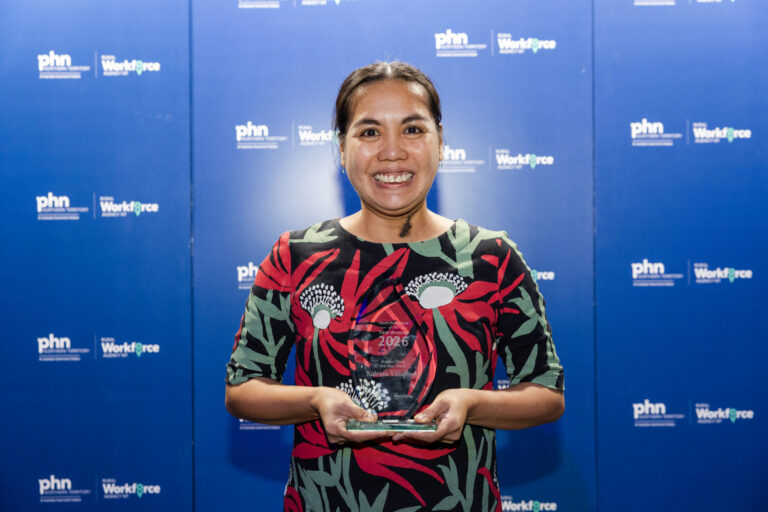
Katrina traded the tropical islands of the Philippines for the red dirt and remote beaches of Arnhem Land. Her move came after her partner accepted…
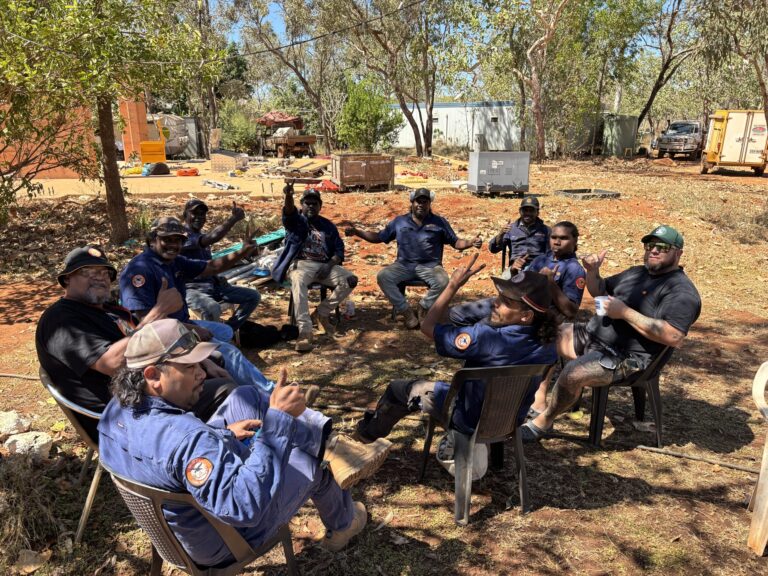
Culture, Country and community leadership are helping shape a different approach to suicide prevention and wellbeing in Central Arnhem through the Happy Yarning initiative. Led…
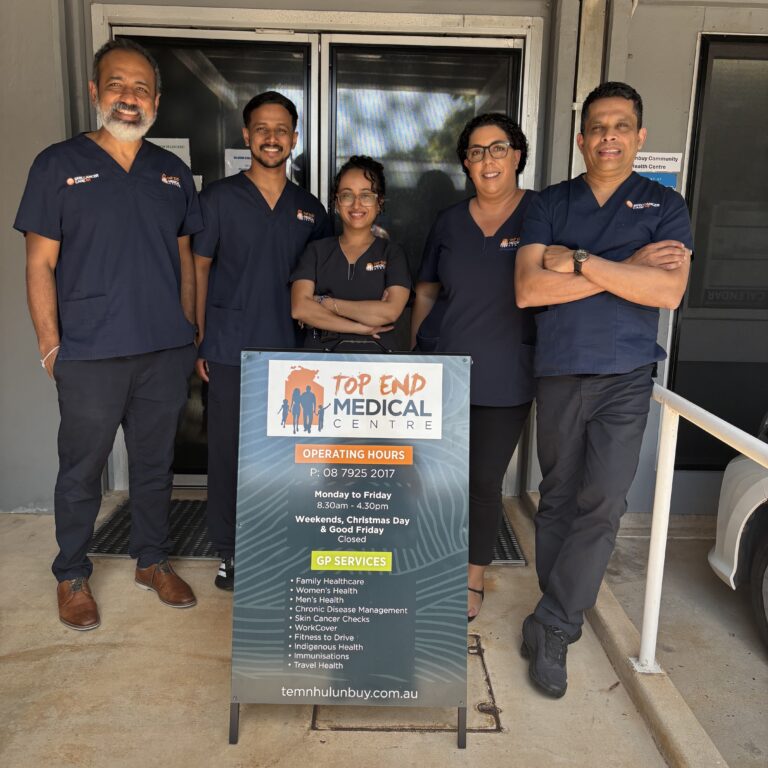
The Nhulunbuy community will soon have access to a new primary healthcare provider, with Top End Medical Centre selected to deliver ongoing general practice (GP)…